
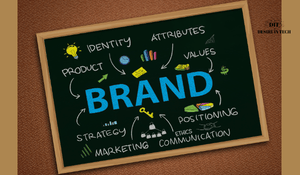

The Power of Effective Branding Strategies

Desire E
In today's digital age, protecting your devices from cyber threats is more crucial than ever. Our comprehensive guide to the best anti-virus software will help you make an informed choice.
Mastering Branding: Effective Strategies for Success
What comes to mind when you hear the word “branding”? For most of us, it’s a logo. The Nike swoosh, the McDonald’s golden arches. But a logo isn’t a brand; it's just a souvenir. The real brand is the entire experience—the feeling you get that makes you want that souvenir in the first place, which is the key to understanding what is a brand.
Think about your favorite local coffee shop. It’s probably not just about the coffee. It’s the barista who remembers your order, the comfortable chairs, and the music they play. That whole atmosphere, the reason you choose it over the nearly identical shop across the street, is its brand. In practice, a brand is a reputation built on a promise. You’re there because you trust they’ll deliver that same feeling every time.
This principle is at the heart of all effective branding strategies. Companies know that every single interaction matters, from the packaging on a product to the helpfulness of a support call. For instance, a brand like Disney sells more than movies and theme park tickets; it sells a consistent feeling of magic and family-friendly wonder. This focus on the complete experience is what creates the importance of brand recognition, turning casual viewers into lifelong fans who trust what the name represents.
Your Logo is Just the Front Door: Not the Entire House
What makes a logo effective? It’s not just clever logo design; it’s about speed. Think of it as a powerful visual shortcut. When you see the Starbucks siren on a cup, your brain doesn’t need to read the words to know what’s inside. It’s an instant signal for a specific kind of coffee experience. A truly memorable brand begins with this immediate recognition, cutting through the noise of a crowded shelf or a busy street.
That simple image, however, is designed to do much more than just identify. Its real job is to act as a trigger, instantly unlocking all the thoughts and feelings you have about that company. The golden arches don’t just mean “hamburgers”; they bring to mind the taste of the fries, the sound of a busy restaurant, and your personal history of going there. The logo is a tiny key that unlocks a huge cabinet of memories and expectations—that entire collection is the real brand.
A beautiful logo can’t save a bad business. A fancy front door is inviting, but if the house behind it is messy and unwelcoming, you won’t stay long or ever want to come back. The logo makes a promise, but it’s the full experience that determines if that promise is kept. This difference between what a company presents and what you actually feel is the most important part of branding.
Brand Identity vs Brand Image: What a Company Says vs How You Feel
That difference between a company's presentation and your real-life experience is the core of brand identity vs brand image. Think of Brand Identity as the company's strategic plan for how it wants to be seen. It's the complete toolkit: the logo, the specific colors they use, the style of their ads, and the "voice" they write with. A brand like Nike carefully crafts an identity around inspiration and athleticism. It’s everything they do on purpose to project a certain personality into the world.
On the other side is Brand Image, which is the public's actual perception. It’s not what the company says; it’s what you and I believe. This is the company’s real-world brand reputation, formed by every interaction, news story, and product experience. If an airline’s identity is “friendly and reliable” but their flights are always delayed and the staff is stressed, their image becomes "unreliable." The public’s feeling always wins over the company’s advertising.
The real goal of great branding is to make the Image a perfect mirror of the Identity. When a company’s promises line up with its performance, it stops feeling like marketing and starts feeling like a trustworthy relationship. This alignment is the secret to building customer loyalty, because it proves the brand isn't just putting on a show—it's delivering on its word. When what they are is exactly what they claim to be, we're happy to stick around.
What Makes a Memorable Brand Name? The Secret Behind Amazon and Apple
If a brand's identity is its personality, then its name is the first handshake. What makes a memorable brand name isn’t cleverness; it’s clarity. The most powerful names are often simple, easy to say, and stick in your mind without effort. A tech giant called "Apple" is far more distinct and intriguing than a generic name like "Advanced Computing Systems." The simplicity is the point. It creates an empty vessel that a company can fill with meaning, experience, and feeling, turning a common word into an unmistakable signal for a specific promise.
Most great company names fall into one of two camps: descriptive or evocative. A descriptive name tells you exactly what the business does, leaving nothing to the imagination. The Weather Channel, Hotels.com, and General Motors are perfect examples—their value is right there on the label. An evocative name, on the other hand, suggests a feeling, a benefit, or a bigger idea. "Amazon" was chosen to suggest a vast, exotic selection, like the world’s largest river. "Nike" is named for the Greek goddess of victory, instantly connecting the brand to the feeling of achievement.
A strong name is a strategic tool. It carves out a unique space for a brand before you even know what it sells, making it easier to spot on a crowded shelf. It’s the first, crucial step in a brand positioning strategy that separates it from the competition. But a name is just the first word in the conversation. How a brand continues that conversation—the personality it reveals when it speaks—is all about its voice.
How Brands Would Talk if They Were People: Decoding Voice and Tone
If a brand identity is the personality, then its voice is how that personality sounds. A person’s identity doesn't change from day to day, and the same is true for a brand. This consistent character is its brand voice. It’s the difference between a brand that sounds like a helpful expert and one that sounds like a fun-loving friend. Developing a brand voice and tone is crucial because it builds a predictable, human connection that fosters customer engagement and makes the brand feel familiar.
However, while a brand's core voice stays the same, its brand tone changes depending on the situation—just like you’d speak differently at a party than you would in a library. For example:
- The Banker: "Your security is our top priority." (Formal, Reassuring)
- The Smoothie Brand: "Fuel your day with our awesome new blend!" (Energetic, Friendly)
- The Luxury Car: "Experience uncompromising performance." (Confident, Sophisticated)
Each voice is distinct, but their tone would shift from celebratory on social media to serious in a customer support email.
A well-defined voice makes a brand feel less like a faceless corporation and more like someone you know and trust. It’s a subtle yet powerful tool that builds a relationship one word at a time. Of course, what a brand says is only part of the story. Just as powerful is what you see. The most immediate signals a brand sends are often visual, which brings us to the hidden language of colors.
The Hidden Language of Colors: Why Banks are Blue and Target is Red
Ever notice how your bank's logo is probably blue, while the big "SALE" sign at your favorite store is bright red? This isn't a coincidence; it's a deliberate choice rooted in the hidden language of color. Brands use specific hues as a subconscious signal to instantly tell you what they’re all about, often before you’ve read a single word.
Our brains are wired to connect colors with feelings, and marketers know this well. Blue often signals trust and security, which is why financial institutions and tech companies like Facebook lean on it heavily. Red, on the other hand, creates a sense of energy, excitement, and urgency—perfect for Target's bullseye, which invites you to come in and shop. Similarly, the deep green of the Starbucks logo connects it to nature and growth, a feeling they want you to associate with your daily coffee.
When used consistently, a brand's signature color becomes a powerful shortcut. You can spot Amazon's orange smile on a box from a distance and know exactly what's inside, just as you recognize a brand of soda by the color of its can. This instant brand recognition is a core part of a company's visual identity, sometimes becoming even more powerful than the logo design itself. A brand's visual identity—from its logo to its color psychology—is a carefully constructed invitation, setting an expectation for the one thing a company cannot afford to break: its promise.
The Single Most Important Question: What is a Brand's "Promise"?
Beneath all the slick logos and carefully chosen colors lies the real heart of a brand: its promise. This isn’t a formal contract, but rather the unspoken agreement between a company and its customers. It answers the simple, crucial question you have every time you buy something: What am I really getting? Whether it’s the assurance of the lowest price at Walmart or the feeling of premium innovation from Apple, that core expectation is the brand’s promise to you.
This core benefit is far more than a catchy slogan. A slogan is what a company says; a promise is what it consistently does. For decades, Volvo’s promise has been safety. This isn’t just in their ads—it’s engineered into their steel frames, reflected in their crash-test ratings, and demonstrated through their advanced safety features. When you choose a Volvo, you aren't just buying a car; you're buying the peace of mind that comes with it. That feeling is the promise, delivered.
Keeping that promise is the only way a brand builds genuine trust and inspires customer loyalty. When a company delivers on its promise time and time again, you stop thinking about the transaction and start relying on the relationship. This deep-seated trust is so powerful that it allows a brand to stand out even when its products are nearly identical to a competitor's, leading to the art of standing out in a crowd.
Why You Pay $5 for Water: The Art of Standing Out in a Crowd
Imagine you’re standing in a store aisle, looking at two bottles of water. The water inside is nearly identical, yet one costs five times as much as the other. Why would anyone choose the expensive one? The answer rarely has to do with the water itself. When products are similar, companies face a choice: either slash prices in a race to the bottom or find another way to compete. Smart brands always choose the latter.
To escape the price war, a company must decide what single idea it wants to own inside its customers' minds. This is more than just having a good product; it’s about linking that product to a feeling, a value, or a mission. While Volvo staked its claim on “safety,” another car brand might focus exclusively on “luxury” or “reliability.” They aren't trying to be the best at everything; they are trying to be the first thing you think of for one thing.
This focused approach is a core part of any effective brand positioning strategy. Think of running shoes. One brand might own the idea of “elite athletic performance,” targeting serious runners with high-tech features. Another brand can sell just as many shoes by owning the idea of “sustainable comfort,” appealing to eco-conscious walkers. By building a strong brand around these distinct concepts, they attract entirely different customers and avoid competing directly on price.
This is how brands earn the right to charge a premium. You’re not just paying for water; you're buying the story attached to it—be it “pristine Alpine purity” or “eco-friendly packaging.” The stored-up value in that perception is one of a company’s greatest assets. But getting you to choose their product once is just the beginning. The real goal is to make you feel so good about that choice that you come back again and again.
From One time Buyer to Loyal Fan: How Brands Create Lasting Relationships
Getting you to choose a product once is a transaction. Getting you to come back for life is a relationship. This is the ultimate goal of building a strong brand. It’s the difference between the loyalty you show a coffee shop because you have a full punch card, and the loyalty you show a brand like Apple or Patagonia, where you feel a genuine connection to what they represent. This deeper bond isn’t bought with discounts; it's earned through emotion, trust, and a sense of shared identity.
This kind of deep loyalty doesn't happen by accident. It’s forged by consistently delivering on the brand promise, over and over, at every touchpoint. If a hotel brand promises a luxurious escape, everything from the website's design to the front desk greeting and the cleanliness of the room must reinforce that idea. Just like in a friendship, trust is built through reliable actions, not flashy promises. The customer experience is where a brand proves it can be counted on, turning a one-time purchase into a predictable, comforting habit.
The result of this hard work is a customer who does more than just buy. They become a vocal advocate, recommending the brand to friends and defending it online. They’re less likely to be swayed by a competitor’s sale because the cost of switching feels higher than just a few dollars—it’s the cost of leaving a trusted relationship. This powerful bond is a brand's most valuable asset, but it’s also incredibly fragile, which is why avoiding common mistakes is so critical.
The #1 Branding Mistake that Destroys Trust Instantly
The most damaging branding mistake is also the most common: inconsistency. It’s the business equivalent of a friend who acts completely different depending on who they’re with. When a brand’s fun, friendly social media personality clashes with a frustratingly rigid return policy, the trust you have in them starts to crack. You’re left feeling confused and maybe even a little deceived, wondering which version of the brand is the real one.
This matters because a brand’s identity isn't just its logo or a single ad; it’s the sum of every interaction you have with it. Think about the website’s ease of use, the tone of a marketing email, the quality of the packaging, and even the helpfulness of a chatbot. Each of these moments is an opportunity for the brand to prove it is what it claims to be. Strong brands obsess over this, making sure every detail tells the same story.
For a brand to be trusted, it must feel the same everywhere. If an airline’s app is sleek and efficient but its gate agents are disorganized, the positive experience shatters. To prevent this, smart companies go as far as creating a company style guide—a detailed rulebook for everything from font choices to how to answer the phone. It’s a blueprint for consistency.
It's Not Just for Corporations: What is Your Personal Brand?
The principle of presenting a reliable, cohesive identity doesn’t just apply to corporations; it applies to you. Think of your personal brand as your reputation on autopilot. It’s the story people tell about you when you’re not in the room—a gut feeling based on your skills, your personality, and the value you bring to others. Whether you intentionally manage it or not, it already exists.
You’re already building this brand every single day. Your polished LinkedIn profile shows one side, while your casual vacation photos on Instagram show another; these are classic personal brand examples. The secret to how to build a strong brand isn't making these personas identical, but ensuring they feel like they belong to the same authentic person. Every email you send, comment you post, and meeting you join contributes to this overall picture. It’s about consciously shaping that narrative, whether you're trying to connect with future employers or simply be known as a creative and reliable friend.
Curating a personal brand isn’t about being fake; it’s about being intentional. By understanding how your actions, communication, and online presence come together, you can ensure the world sees you for who you truly are and what you do best.
Putting it All Together: How to Spot Strong Brands
You began this article thinking a brand was just a logo. Now you know it’s a promise, a reputation, and a feeling. You’ve traded a surface-level view for an insider’s understanding, moving beyond simple brand recognition to see the complete story. That favorite coffee shop isn’t just its sign; it’s the combination of the warm greeting, the familiar smell, and the comforting taste—a full experience the logo only hints at.
With this new lens, you can start spotting effective branding strategies everywhere. To put your knowledge into practice, use this simple Brand Spotter’s Checklist the next time you encounter a company:
- The Clarity Test: Can I tell what they promise in 5 seconds? Is this about speed, luxury, or affordability?
- The Consistency Test: Does their website, their packaging, and their customer service all feel like they belong to the same family?
- The Feeling Test: How does this brand make me feel? Smart? Safe? Excited?
A brand that passes these tests has built something valuable. This is the secret to measuring brand equity in the real world—not with spreadsheets, but with trust and loyalty. You now understand why you might choose one brand over another, even when the products seem identical. You’re no longer just a consumer; you are an informed observer, able to decode the stories brands tell and empowered to choose which ones you truly want to be a part of.
