Best AI Tools For Content Creators

Desire E
Discover how artificial intelligence is revolutionizing content creation and helping creators produce higher-quality work in less time than ever before.
Why AI Has Become Essential for Modern Content Creation
The landscape of content creation has undergone a seismic shift in recent years, and artificial intelligence stands at the epicenter of this transformation. What once required hours of manual work, multiple team members, and specialized expertise can now be accomplished in a fraction of the time with AI-powered tools. Content creators across all niches—from bloggers and YouTubers to marketers and social media influencers—are discovering that AI tools for content creators aren't just nice-to-have extras; they've become essential components of any competitive content strategy.
The numbers tell a compelling story. According to recent industry surveys, content creators using AI tools report saving an average of 10-15 hours per week on routine tasks, allowing them to focus on strategy, creativity, and audience engagement. This efficiency gain translates directly into increased output and quality. Where a creator might have published two blog posts per week manually, AI assistance enables them to produce four or five pieces of equal or higher quality in the same timeframe.
But AI is changing content creation in ways that go beyond simple time savings. These tools are democratizing high-quality content production, making professional-grade writing, design, video editing, and audio production accessible to creators without formal training or expensive equipment. A solo content creator can now produce content that rivals what previously required an entire production team. This leveling of the playing field has unleashed a wave of creativity and entrepreneurship, enabling talented creators to build sustainable businesses around their content.
The sophistication of best AI tools for creators has reached a tipping point where they're no longer producing robotic, obviously artificial outputs. Modern AI content creation tools leverage advanced language models, computer vision, and machine learning algorithms that can understand context, maintain brand voice, and even inject personality into content. They serve as intelligent assistants that amplify human creativity rather than replace it, handling the tedious, repetitive aspects of content production while leaving the strategic and creative decisions to the human creator.
Perhaps most importantly, AI tools enable content creators to maintain consistency in their publishing schedules—a critical factor in building and retaining an audience. Writer's block, creative fatigue, and time constraints have always been the bane of content creators. AI writing tools and AI productivity tools provide that crucial spark of inspiration or that helping hand when energy is low, ensuring that content pipelines remain full and audiences remain engaged. In today's algorithm-driven content ecosystem, consistent publishing is often the difference between growth and stagnation.
Top AI Writing and Copywriting Tools That Save Hours of Work
AI writing tools have emerged as the most widely adopted category of AI content creation tools, and for good reason—writing remains the foundation of most content strategies. These tools range from comprehensive content platforms to specialized assistants for specific writing tasks, each offering unique capabilities that can dramatically accelerate your content production workflow.
Jasper AI (formerly Jarvis) has established itself as one of the premier AI writing tools for content creators. This powerful platform excels at generating long-form content, blog posts, social media captions, email sequences, and marketing copy. Jasper works by understanding your brand voice through initial inputs and then maintaining that consistency across all content it helps produce. Its Boss Mode feature allows creators to command the AI with specific instructions, making it feel more like working with an intelligent writing assistant than a simple tool. Content creators particularly appreciate Jasper's ability to generate SEO-optimized content that ranks well in search engines while maintaining readability and engagement.
Copy.ai offers a more streamlined approach, focusing on short-form copy and creative content generation. It's particularly effective for social media posts, product descriptions, ad copy, and brainstorming headlines. The tool's interface is intuitive and accessible, making it ideal for creators who need quick bursts of creative copy without extensive setup. Copy.ai's strength lies in its ability to generate multiple variations of the same concept, allowing creators to choose the option that best fits their needs or to mix and match elements from different outputs.
For creators focused on SEO performance, Surfer SEO integrates AI writing capabilities with comprehensive SEO analysis. This tool doesn't just help you write content; it guides you toward creating content that's optimized to rank for specific keywords. Surfer analyzes top-performing content for your target keywords and provides real-time recommendations on keyword density, content structure, and related terms to include. This combination of AI writing assistance and SEO intelligence makes it invaluable for content creators whose primary distribution channel is organic search.
Grammarly has evolved far beyond its origins as a simple grammar checker to become a comprehensive AI-powered writing assistant. Its advanced features include tone detection, clarity suggestions, engagement metrics, and plagiarism checking. Grammarly's AI analyzes your writing in real-time and offers suggestions that improve not just correctness but also the overall impact and professionalism of your content. For content creators, the Business and Premium tiers offer brand tone customization and style guide enforcement, ensuring consistency across all team members and content pieces.
Writesonic rounds out the top tier of AI writing tools with its versatile approach to content generation. It combines article writing, product descriptions, ads, landing pages, and even AI-generated art into a single platform. Writesonic's article writer can produce complete blog posts from just a topic and keywords, while its Sonic Editor provides a more hands-on experience similar to working in Google Docs but with AI assistance on demand. The tool's recent integration of GPT-4 technology has significantly improved output quality, making it competitive with more expensive alternatives.
What sets the best AI writing tools apart from mediocre ones is their ability to understand context, maintain voice consistency, and produce content that requires minimal editing. The tools mentioned above have all reached this threshold of usefulness where they genuinely accelerate workflows rather than create additional work through necessary revisions. Content creators report that these tools are most effective when used as collaborative partners—providing the initial draft, overcoming creative blocks, or handling routine content—while the human creator adds strategic insight, personal experience, and final polish.
Revolutionary AI Tools for Video and Visual Content Production
Visual content has become the dominant form of online communication, with video particularly driving engagement across platforms. AI graphic design tools, AI image generation tools, AI video tools, and AI audio tools have converged to create an ecosystem where high-quality visual content is accessible to creators regardless of technical skill or budget.
In the realm of AI graphic design tools, Canva has integrated AI features that transform how creators approach visual content. Its Magic Resize feature automatically adapts designs across different platform specifications, while Magic Edit uses AI to manipulate and enhance photos with simple text commands. Canva's Text to Image feature leverages AI image generation to create custom graphics from descriptions, eliminating the need for stock photos in many cases. The platform's AI background remover and Magic Eraser tools enable professional-quality photo editing without Photoshop expertise. For content creators managing multiple social media platforms, these AI enhancements mean a single design concept can be efficiently adapted to every needed format and specification.
Adobe Firefly represents Adobe's entry into generative AI, bringing enterprise-grade AI image generation tools to creative professionals. Unlike some AI art generators that have faced copyright concerns, Firefly is trained on Adobe Stock images and public domain content, making it safer for commercial use. The tool excels at generating custom graphics, creating text effects, and extending images beyond their original boundaries. Its integration into the Adobe Creative Cloud ecosystem means creators can seamlessly incorporate AI-generated elements into their existing workflows in Photoshop, Illustrator, and other Adobe applications.
Midjourney and DALL-E 3 have revolutionized AI image generation, enabling content creators to produce unique, high-quality visual assets from text descriptions. Midjourney, accessed through Discord, has become famous for its artistic, often stunning interpretations of prompts, making it ideal for creating eye-catching featured images, social media graphics, and conceptual artwork. DALL-E 3, integrated into ChatGPT Plus and Microsoft platforms, offers more precise control over outputs and better understands complex prompts with multiple elements. These AI image generation tools have effectively eliminated the barrier between conceptual vision and visual execution—if you can describe it, these tools can create it.
For AI video tools, Descript has emerged as a game-changer, particularly for creators producing talking-head content, podcasts with video, or interview-based content. Its revolutionary approach allows creators to edit video by editing text—the transcript becomes the editing interface. Remove filler words like 'um' and 'ah' with a single click, rearrange sections by cutting and pasting text, and even use Overdub to generate AI voice corrections for small mistakes without re-recording. For content creators, this reduces video editing time by 70% or more compared to traditional timeline-based editing.
Runway ML offers a comprehensive suite of AI video tools that bring Hollywood-level capabilities to independent creators. Its features include AI-powered green screen replacement, motion tracking, object removal, and even text-to-video generation where written descriptions become video clips. The platform's Gen-2 technology can generate video from text prompts or transform existing videos into different artistic styles. For content creators producing YouTube videos, TikToks, or Instagram Reels, Runway's tools enable production value that was previously impossible without significant budget and expertise.
Pictory AI specializes in transforming long-form content into engaging video content. It can take blog posts, articles, or scripts and automatically generate videos with relevant stock footage, music, and captions. This is particularly valuable for content creators who have built libraries of written content and want to repurpose it for video platforms. Pictory's AI selects appropriate visuals to match the content narrative, adds text overlays for key points, and generates videos that perform well on social media—all with minimal manual input.
In the audio domain, AI audio tools are revolutionizing podcast production and video voiceovers. Descript's Overdub feature, mentioned earlier, allows creators to generate synthetic versions of their own voice for correcting mistakes. Eleven Labs takes this further with incredibly realistic AI voice generation that can produce narration in multiple voices and languages. For content creators producing educational content, documentaries, or international content, these tools eliminate the need for expensive voice actors or time-consuming re-recording sessions.
Adobe Podcast's AI audio enhancement tools automatically remove background noise, echo, and microphone quality issues, making any recording sound professionally produced. This democratizes audio quality, ensuring that creators without access to professional recording studios can still produce content that meets audience expectations. The tool's AI understands the difference between voice and unwanted noise, preserving vocal clarity while eliminating distractions.
AI research tools deserve special mention as they underpin quality content creation across all formats. Perplexity AI and ChatGPT have become indispensable for content research, fact-checking, and exploring topics from multiple angles. These tools can summarize lengthy articles, compare different perspectives on controversial topics, and suggest content angles that creators might not have considered. For content creators, AI research tools compress hours of manual research into minutes, while often uncovering insights that lead to more original and valuable content. The key is using these tools to accelerate research while maintaining rigorous fact-checking standards, as AI can occasionally produce inaccurate information that requires verification.
AI-Powered Solutions for Social Media Management and Optimization
Creating content is only half the battle; distributing and optimizing that content across social media platforms requires its own set of skills and substantial time investment. AI content creation workflow tools specifically designed for social media management have become essential for content creators looking to maximize their reach and engagement without spending all day managing multiple platforms.
Buffer's AI Assistant represents the evolution of social media management tools, integrating AI directly into the content scheduling workflow. The tool can generate social media posts from longer content, suggest optimal posting times based on audience engagement patterns, and even repurpose single pieces of content into platform-specific variations. For content creators managing YouTube, Instagram, Twitter, LinkedIn, and other platforms simultaneously, Buffer's AI streamlines the process of maintaining active presence everywhere without creating unique content for each platform from scratch.
Later's AI caption writer and hashtag suggestions help Instagram and TikTok-focused creators optimize their posts for discovery and engagement. The tool analyzes your content, audience, and past performance to suggest captions that match your brand voice while incorporating trending phrases and relevant hashtags. Its visual content calendar with AI-powered best time recommendations ensures that creators post when their specific audience is most active, rather than following generic advice.
Hootsuite Insights powered by AI provides deep analytics that go beyond simple metrics to identify patterns and opportunities. The tool can detect emerging trends in your industry, track competitor performance, identify your highest-performing content types, and suggest content strategies based on what's working. For content creators, these insights transform social media from a guessing game into a data-informed strategy, enabling continuous improvement in content performance.
ChatGPT and Claude have become unofficial but essential components of many creators' AI content creation workflow. Beyond generating content, these AI assistants excel at repurposing and optimizing existing content. A single YouTube video script can be transformed into thread-style Twitter posts, LinkedIn articles, Instagram captions, newsletter content, and podcast talking points—all with prompts to these AI tools. This content multiplication strategy, powered by AI, allows creators to maximize the return on every piece of content they produce.
Lately AI specifically addresses the challenge of social media content generation by learning your brand voice and automatically generating social media posts from longer content. Feed it blog posts, podcasts, or videos, and it produces dozens of social media posts that maintain your voice and highlight the most engaging elements. The tool also learns from your past performance, gradually improving its ability to generate posts that resonate with your specific audience.
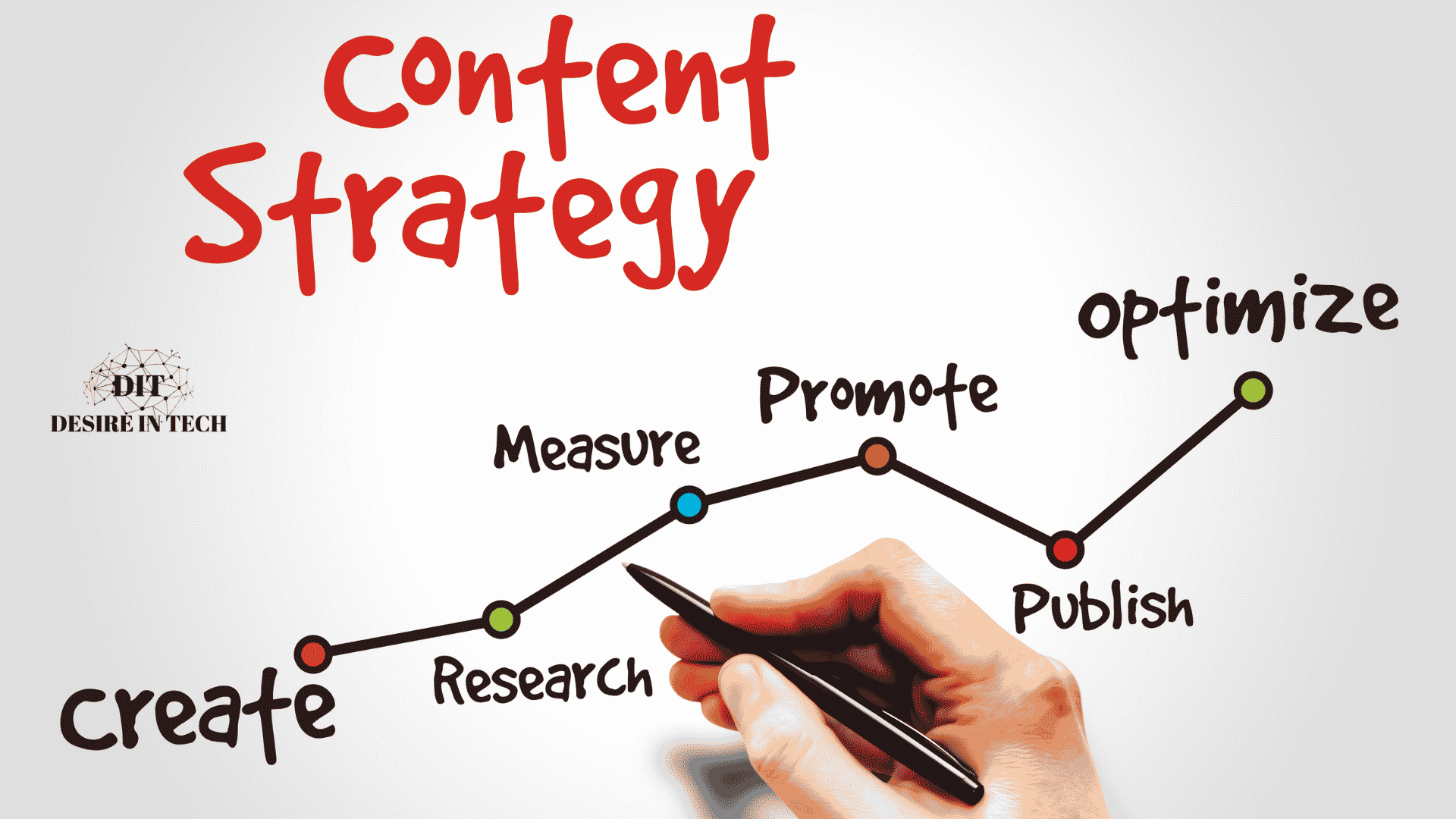
The most effective AI content creation workflow integrates these tools into a cohesive system. Successful content creators typically follow a pattern: create core content (blog post, video, podcast) using AI writing tools or AI video tools, then use AI to repurpose that content into multiple formats and platform-specific variations, schedule distribution using AI-powered social media management tools, and finally analyze performance using AI analytics to inform future content decisions. This systematic approach, powered by AI at every stage, enables solo creators or small teams to achieve the output and consistency previously requiring much larger operations.
How to Choose the Right AI Tools for Your Content Strategy
With hundreds of AI tools for content creators flooding the market, choosing the right combination for your specific needs can feel overwhelming. The key is approaching tool selection strategically rather than simply adopting whatever is trending or heavily marketed. The best AI tools for creators are the ones that solve your specific bottlenecks and integrate smoothly into your existing workflow.
Start by auditing your content creation process to identify where you're spending the most time and where quality or consistency issues arise. Are you struggling with the initial writing phase or with editing and refinement? Is visual content creation your bottleneck? Do you have plenty of content but struggle with distribution and promotion? Your specific pain points should directly inform which AI content creation tools you prioritize. A video creator spending hours on editing might benefit most from Descript or Runway ML, while a blogger struggling with consistent output might prioritize Jasper or Writesonic.
Consider your content format mix and platform focus. Content creators focused primarily on written content should invest in premium AI writing tools before exploring video or design tools. Video-first creators should prioritize AI video tools and AI audio tools. Multi-platform creators need tools that excel at content repurposing and format transformation. Your tool stack should reflect your primary content formats and distribution channels rather than trying to cover every possibility.
Budget considerations matter, especially for creators just starting out or running lean operations. Fortunately, most AI productivity tools offer tiered pricing, with free plans for testing and entry-level paid plans starting around $20-50 per month. A strategic approach is to start with one or two core tools that address your biggest bottleneck, master those tools and integrate them into your workflow, then gradually expand your toolkit as your content business grows. Many creators make the mistake of subscribing to numerous tools simultaneously, creating unnecessary expense and complexity while failing to fully leverage any single tool.
Integration capabilities should factor heavily into your decision. Tools that work well together create multiplier effects, while isolated tools create friction and manual work. Look for AI tools that integrate with your existing content management system, social media schedulers, project management tools, and analytics platforms. For example, if you use WordPress, prioritize AI writing tools with WordPress plugins. If you live in the Adobe ecosystem, Adobe Firefly and Adobe Podcast integrate seamlessly with your existing workflow.
Trial periods and free tiers are your friends—use them extensively before committing to annual subscriptions. Most AI content creation tools offer 7-14 day free trials or limited free tiers. During trial periods, test the tools with your actual content projects rather than just exploring features. Pay attention to output quality, ease of use, learning curve, and whether the tool actually saves time or creates additional work through necessary revisions and adjustments.
Community and support resources matter more than creators often realize. AI tools with active user communities, comprehensive documentation, tutorial videos, and responsive customer support enable you to overcome obstacles quickly and discover advanced techniques. Tools like Midjourney, with their active Discord communities, provide immense value beyond the tool itself through community knowledge sharing and inspiration.
Finally, consider the long-term viability and development trajectory of the tools you adopt. The AI tools landscape is evolving rapidly, with frequent updates and new capabilities. Choose tools from companies with clear development roadmaps, regular updates, and financial stability. Being forced to switch tools after investing time in learning and integrating them into your workflow is costly and disruptive.
Responsible AI Use
As AI tools for content creators become increasingly sophisticated and prevalent, ethical considerations and responsible use practices have moved from theoretical concerns to practical necessities. Content creators have both an opportunity and an obligation to use these powerful tools in ways that maintain trust, authenticity, and value for their audiences.
Transparency represents the foundation of responsible AI use. While you don't need to flag every AI-assisted comma placement, being transparent about substantial AI involvement in content creation builds trust with audiences. Many successful creators openly discuss their use of AI tools, explaining how these tools fit into their creative process without replacing their unique perspective and expertise. This transparency paradoxically often increases audience respect rather than diminishing it, as it demonstrates thoughtful adoption of productivity tools rather than deceptive shortcuts.
Quality control and human oversight remain non-negotiable regardless of how advanced AI tools become. Every piece of AI-generated content should pass through human review for accuracy, tone, appropriateness, and value. AI writing tools can occasionally generate plausible-sounding but factually incorrect information. AI image generation tools can produce biased or inappropriate outputs. Your role as the content creator is to serve as the quality gatekeeper, ensuring that everything published under your name meets your standards and serves your audience effectively.
Originality and avoiding plagiarism concerns requires vigilance when using AI content creation tools. While modern AI tools generate original text rather than copying existing content, they're trained on existing content and can sometimes produce outputs that closely resemble their training data. Run AI-generated content through plagiarism checkers, add your unique insights and experiences, and ensure that your content provides distinctive value rather than simply rephrasing existing information. Your unique perspective, experiences, and analysis are what transform AI-assisted content from generic to genuinely valuable.
Copyright and licensing considerations vary across different AI tools. Some AI image generation tools have faced legal challenges regarding the use of copyrighted training data, creating potential risk for creators using outputs commercially. Choose AI tools with clear licensing terms for commercial use. Adobe Firefly, trained on licensed stock images, provides more legal certainty than some alternatives. When using AI-generated images, understand the terms of service and any limitations on commercial use, attribution requirements, or prohibited applications.
Maintaining your authentic voice stands as perhaps the most important aspect of responsible AI use. The best AI tools for creators amplify your voice rather than replace it. AI should handle the mechanical aspects of content production—grammar, formatting, basic research, initial drafts—while you provide the strategic direction, unique insights, personal experiences, and authentic perspective that make your content valuable. Audiences don't follow creators for perfectly grammatical generic content; they follow for unique perspectives, personalities, and expertise. AI tools should enhance your ability to share these qualities, not dilute them.
Data privacy considerations apply both to your own data and your audience's information. Understand what data AI tools collect, how they use it, and whether your content inputs become part of their training data. Some AI tools offer enterprise or premium tiers with enhanced privacy protections. Be particularly cautious about inputting sensitive information, proprietary data, or audience information into AI tools without understanding data handling policies.
Environmental impact, though rarely discussed, deserves consideration. AI models, particularly large language models and image generation tools, require significant computational resources and energy consumption. While individual creators can't solve this systemic issue, awareness and supporting companies working to reduce AI's environmental footprint represents a form of responsible use. Some AI companies are more transparent about and committed to addressing environmental impacts than others.
The goal of responsible AI use isn't to limit the technology's benefits but to maximize them while minimizing potential harms. Content creators who approach AI tools thoughtfully—as powerful assistants in service of creating valuable, authentic content—position themselves to thrive in the AI-augmented future of content creation while maintaining the trust and engagement of their audiences.
FAQs
What are the best free AI tools for content creators? Many premium AI tools for content creators offer free tiers with limitations that are sufficient for beginning creators or light use. ChatGPT's free tier provides substantial writing assistance and content ideation capabilities. Canva's free plan includes basic AI features like background removal and limited Text to Image generations. Copy.ai offers 2,000 words per month on its free plan, suitable for supplementing your writing process. Grammarly's free version provides essential grammar and spelling checking. For AI image generation, Bing Image Creator (powered by DALL-E) offers free daily generations. These free tools allow you to experience AI-assisted content creation without financial commitment while learning which capabilities provide the most value for your specific workflow.
Can AI tools replace human content creators? No, AI tools cannot and should not replace human content creators—rather, they amplify human creativity and productivity. AI content creation tools excel at handling mechanical, repetitive, and time-consuming tasks, but they lack genuine creativity, emotional intelligence, personal experience, and strategic thinking that make content valuable and engaging. Audiences connect with authentic human perspectives, unique experiences, and original insights that only human creators provide. The most successful content creators use AI tools as intelligent assistants that handle routine aspects of production, freeing the creator to focus on strategy, authentic connection, and the creative elements that distinguish their content. The future belongs to creators who effectively combine AI efficiency with irreplaceable human qualities.
How do AI writing tools affect SEO? When used properly, AI writing tools can actually improve SEO performance by helping creators produce well-structured, comprehensive content consistently. Search engines like Google have stated they don't penalize AI-generated content per se—they penalize low-quality content regardless of how it's produced. AI tools like Surfer SEO and Jasper help creators incorporate target keywords naturally, structure content for featured snippets, and cover topics comprehensively—all positive SEO factors. However, AI-generated content requires human oversight to ensure accuracy, originality, and genuine value. Content that simply rehashes existing information without providing unique value or insight will underperform in search rankings regardless of whether it's AI-generated or human-written. The key is using AI writing tools to accelerate production of genuinely valuable content rather than enabling mass production of thin content.
Are AI-generated images copyright-free? Copyright status of AI-generated images remains legally complex and varies by jurisdiction and specific AI tool. Generally, AI-generated images may not be protected by traditional copyright because copyright law typically requires human authorship. However, this doesn't mean AI-generated images are automatically free for any use—the terms of service for the AI tool govern usage rights. Tools like Midjourney grant paid subscribers commercial use rights to generated images, while free tiers may have restrictions. Adobe Firefly provides clearer commercial licensing because it's trained on Adobe Stock images. DALL-E 3 grants users rights to reproduce and sell images they generate. Always review the specific terms of service for the AI image generation tool you're using, and be aware that this legal landscape is evolving as courts address AI-generated content questions.
What's the learning curve for AI content creation tools? The learning curve for AI tools for content creators varies significantly by tool complexity and your prior experience. Basic AI writing tools like ChatGPT or Copy.ai have minimal learning curves—you can produce usable outputs within minutes of first use. However, mastering prompt engineering to consistently generate high-quality outputs takes practice and experimentation. AI design tools integrated into familiar platforms like Canva are similarly accessible, while standalone tools like Midjourney require learning specific prompting syntax and parameters. AI video tools span the range from beginner-friendly (Pictory) to more complex (Runway ML). Most creators find they can begin using AI tools productively within days, reach competence within weeks, and continue discovering advanced techniques for months. The key is starting with one or two tools rather than attempting to master an entire toolkit simultaneously.
How much do professional AI content creation tools cost? AI productivity tools for content creators typically range from free tiers with limitations to professional plans costing $20-100 per month per tool. AI writing tools like Jasper cost $49-125/month depending on features and word count limits. Copy.ai ranges from free to $49/month for unlimited words. Canva Pro with AI features costs $13/month. Midjourney subscriptions range from $10-60/month based on generation volume. Descript costs $24-50/month. Most creators find that $50-150/month invested in 2-4 core AI tools provides substantial productivity improvements. Many tools offer annual billing discounts of 20-40%. The return on investment calculation is straightforward: if AI tools save you 10 hours per week, even at a modest value of $25/hour, that's $1,000/month in time savings, far exceeding the subscription costs. Start with free tiers and entry-level paid plans, then upgrade as you confirm value for your specific workflow.
Do I need technical skills to use AI tools for content creation? No programming or advanced technical skills are required to use the best AI tools for creators—most are designed specifically for non-technical users. AI writing tools, AI design tools, and AI video tools feature intuitive interfaces where you provide descriptions, prompts, or instructions in plain language. The skills that matter most are creative and strategic: clearly communicating what you want, recognizing quality outputs, and effectively integrating AI tools into your content workflow. That said, developing 'prompt engineering' skills—learning to craft effective instructions for AI tools—significantly improves output quality. This skill develops quickly through practice and doesn't require technical background. Some advanced features in tools like Runway ML or Adobe After Effects with AI plugins have steeper learning curves, but numerous beginner-friendly alternatives exist for nearly every content creation need.
How can I maintain authenticity while using AI tools? Maintaining authenticity with AI content creation tools requires intentional practices. Use AI to handle mechanical aspects—grammar, structure, initial drafts, formatting—while you provide unique insights, personal experiences, distinctive perspectives, and strategic direction. Inject your personality into AI-generated drafts through editing. Share personal stories and specific examples that AI cannot invent. Develop a clear brand voice and train AI tools to match it rather than accepting generic outputs. Be transparent with your audience about using AI as a productivity tool. Focus AI assistance on content areas where mechanical excellence matters (grammar, SEO optimization, visual quality) while personally handling the elements where your unique perspective provides value. Many successful creators describe AI tools as 'collaborative assistants' rather than content generators—they maintain creative control and authentic voice while leveraging AI to eliminate tedious tasks. Your authenticity comes from what you say and the perspective you bring, not from typing every word yourself.