
Best AI Tools For Small Businesses

Desire E
Discover how artificial intelligence is leveling the playing field for small businesses, enabling them to compete with enterprise-level efficiency at a fraction of the cost.
Why Small Businesses Need AI Tools Now More Than Ever
The landscape of small business has fundamentally shifted. What once required large teams, substantial budgets, and years of experience can now be accomplished with AI tools for small businesses at a fraction of the cost. The adoption of AI for small business operations is no longer a luxury reserved for Fortune 500 companies—it's become a competitive necessity. Small businesses that leverage AI business tools are experiencing productivity gains of up to 40%, while those that don't risk falling behind competitors who are already automating routine tasks and making data-driven decisions in real-time.
The economic pressures facing small businesses today make efficiency paramount. Rising labor costs, increased competition from both local and global players, and elevated customer expectations create a perfect storm where doing more with less isn't just advisable—it's essential for survival. AI automation tools provide the solution by handling repetitive tasks, analyzing customer data, personalizing marketing efforts, and providing insights that would otherwise require hiring expensive consultants or building out entire departments.
What makes this moment particularly opportune for small businesses is accessibility. AI productivity tools that cost hundreds of thousands of dollars just five years ago are now available through affordable subscription models starting at $10-50 per month. Cloud-based AI software for businesses means no expensive infrastructure investments, no IT teams required for maintenance, and the ability to scale up or down based on current needs. This democratization of technology creates an unprecedented opportunity for small businesses to compete on capabilities rather than just capital.
The data backs up this urgency. According to recent studies, 97% of business leaders believe AI will positively transform their operations, yet only 35% of small businesses have implemented AI solutions. This gap represents both a risk and an opportunity—a risk of being left behind by early adopters, and an opportunity to gain significant competitive advantages by moving now while the majority hesitate. Small businesses implementing AI marketing tools report up to 50% reduction in customer acquisition costs, while those using AI customer service tools see 30-40% improvements in response times and customer satisfaction scores.
Beyond just efficiency and cost savings, AI tools provide small businesses with capabilities that were previously impossible at their scale. Predictive analytics that forecast customer behavior, natural language processing that understands customer sentiment across thousands of interactions, computer vision that can analyze visual content, and machine learning algorithms that continuously improve performance—these aren't science fiction anymore, they're practical tools available to any small business owner willing to embrace them. The question is no longer whether to adopt AI, but how quickly you can integrate it before your competitors do.
Top AI-Powered Customer Service Solutions That Save Time and Money
Customer service represents one of the most labor-intensive and costly aspects of running a small business, yet it's also one of the most critical for retention and growth. AI customer service tools have evolved dramatically, moving beyond frustrating phone trees to sophisticated systems that understand context, emotion, and intent. These solutions can handle 60-80% of routine customer inquiries without human intervention, freeing your team to focus on complex issues that require human empathy and creativity.
Chatbots and virtual assistants have become remarkably sophisticated. Tools like Intercom, Drift, and Tidio use natural language processing to understand customer questions in conversational language and provide accurate, helpful responses instantly. These AI-powered assistants work 24/7, never take breaks, and can handle dozens of conversations simultaneously. For a small business, this means never missing a potential customer inquiry because it came in at 2 AM or during lunch rush. The best systems learn from each interaction, continuously improving their accuracy and expanding their knowledge base without additional programming.
Zendesk's Answer Bot and Freshdesk's Freddy AI represent the next generation of customer support automation. These platforms integrate with your existing help desk systems and use machine learning to suggest solutions to support tickets, automatically categorize and route inquiries to the appropriate team members, and even predict which customers are likely to churn based on their support history. This predictive capability allows small businesses to proactively address issues before they result in lost customers—something that typically requires dedicated retention teams at larger companies.
Voice AI has also matured significantly. Services like Dialpad and Vonage AI analyze customer service calls in real-time, providing live transcription, sentiment analysis, and even suggesting responses to agents during calls. For training purposes, these tools can review all calls to identify coaching opportunities, ensuring your team consistently delivers excellent service. Some advanced systems can even detect when a customer is becoming frustrated and automatically route them to a supervisor or offer solutions before the situation escalates.
The return on investment for AI customer service tools is compelling. Small businesses typically see response time reductions of 70-90%, customer satisfaction score improvements of 20-35%, and support cost reductions of 30-50% within the first year of implementation. Perhaps more importantly, these tools scale effortlessly—whether you handle 10 customer inquiries per day or 10,000, the AI system manages the workload without proportional cost increases. For small businesses experiencing growth, this scalability prevents customer service from becoming a bottleneck that limits expansion.
Implementation doesn't require technical expertise. Most AI customer service tools offer visual interfaces where you can train the AI by uploading FAQs, product documentation, and previous customer interactions. The systems then use this information to learn your business's unique voice, policies, and solutions. Many integrate seamlessly with popular platforms like Shopify, WordPress, and major CRM systems, allowing you to deploy sophisticated AI customer support in hours rather than months.
Marketing Automation Tools That Work While You Sleep
Marketing automation represents perhaps the highest-impact application of AI for small business growth. AI marketing tools can analyze customer data, segment audiences, personalize content, optimize ad spending, schedule social media posts, and even create content—all with minimal human oversight. This capability transforms marketing from a time-intensive cost center into an efficient, data-driven revenue generator that operates continuously.
Email marketing platforms like Mailchimp, Constant Contact, and HubSpot have integrated sophisticated AI capabilities that go far beyond simple mail merges. These systems analyze open rates, click-through rates, and conversion data to determine optimal send times for each individual subscriber. They automatically segment your audience based on behavior patterns, create personalized subject lines using natural language generation, and even predict which subscribers are most likely to engage with specific content. Small businesses using these AI-powered features see email engagement rates 2-3 times higher than those using traditional broadcast approaches.
Social media management tools have evolved into AI-powered content marketing engines. Platforms like Buffer, Hootsuite, and Lately use artificial intelligence to analyze which types of content perform best with your audience, suggest optimal posting times, automatically repurpose long-form content into bite-sized social posts, and even generate engaging captions. Lately's AI is particularly impressive—it analyzes your top-performing content to understand your brand voice, then uses that understanding to generate dozens of social media posts from a single blog article or video, each optimized for the specific platform and audience segment.
AI-powered advertising platforms have democratized sophisticated campaign optimization. Google Ads and Facebook Ads both offer AI-driven campaign management that automatically adjusts bids, rotates ad creative, and reallocates budget to the highest-performing combinations. Tools like Adzooma and Madgicx take this further by managing campaigns across multiple platforms simultaneously, using machine learning to identify audience segments you might not have considered and testing thousands of variations to find winning combinations. Small businesses using these tools report 30-60% reductions in cost-per-acquisition while maintaining or increasing conversion volumes.
Content creation AI has reached a tipping point of usefulness. Tools like Jasper, Copy.ai, and Writesonic can generate blog posts, product descriptions, ad copy, and social media content based on brief prompts. While these tools don't eliminate the need for human creativity and oversight, they dramatically accelerate the content creation process. A small business owner can produce a month's worth of social media content in an hour, or generate 20 variations of ad copy to test in minutes. The AI handles the time-consuming initial drafting, freeing humans to focus on strategic refinement and brand alignment.
Personalization engines represent the cutting edge of AI marketing automation. Tools like Dynamic Yield, Optimizely, and even more accessible options like RightMessage allow small businesses to create personalized website experiences for different visitor segments. The AI tracks visitor behavior—which pages they view, how long they stay, what they click—and dynamically adjusts the content, offers, and calls-to-action they see. This level of personalization, once available only to major e-commerce sites with dedicated teams, can now be implemented by small businesses to increase conversion rates by 20-40%.
The strategic advantage of AI marketing tools isn't just efficiency—it's the ability to test and learn at a scale impossible for humans. While a marketing manager might manually test 3-5 variations of an email subject line, AI can test hundreds of variations, identify winning patterns, and apply those insights across all campaigns. This continuous optimization means your marketing performance improves month over month without requiring proportional increases in budget or effort. For small businesses competing against larger companies, this levels the playing field by making sophisticated marketing techniques accessible and affordable.
AI-Driven Financial and Operations Management for Smarter Decisions
Financial management and operational efficiency often separate thriving small businesses from those that struggle, yet these areas typically receive the least attention because they're time-consuming and require specialized expertise. AI software for businesses has transformed this landscape by automating bookkeeping, providing predictive financial insights, optimizing inventory, and streamlining operations—all while reducing both the time commitment and the need for expensive specialists.
Accounting and bookkeeping automation has matured significantly. Tools like QuickBooks Online, Xero, and FreshBooks now incorporate AI that automatically categorizes transactions, matches receipts to expenses, reconciles bank statements, and even predicts cash flow 30-90 days in advance. These systems learn your business's unique transaction patterns, reducing the need for manual categorization from hours per week to minutes. The predictive cash flow features are particularly valuable, alerting you to potential shortfalls weeks in advance so you can take proactive action rather than facing unexpected crises.
Expense management platforms like Expensify and Divvy use AI-powered optical character recognition to extract data from receipts—no manual entry required. Employees simply photograph receipts, and the AI extracts merchant names, amounts, dates, and even line items, then automatically routes expense reports through approval workflows. For small businesses, this eliminates hours of administrative work while ensuring compliance and reducing expense fraud. The systems also analyze spending patterns to identify cost-saving opportunities and flag unusual transactions that might indicate errors or policy violations.
Inventory optimization represents a major pain point for product-based businesses, and AI provides elegant solutions. Platforms like TradeGecko (now QuickBooks Commerce), Cin7, and even Shopify's built-in AI analyze sales patterns, seasonal trends, and lead times to predict future demand and automatically generate purchase orders. This prevents both stockouts that result in lost sales and overstocking that ties up capital and leads to obsolescence. Small businesses using AI-driven inventory management typically see 20-30% reductions in carrying costs while maintaining 98%+ in-stock rates on key items.
Scheduling and workforce management has been revolutionized by AI automation tools. Platforms like Deputy, When I Work, and 7shifts use artificial intelligence to create optimal staff schedules based on predicted customer traffic, employee skills and availability, labor law compliance requirements, and budget constraints. What once required hours of manual schedule creation and constant adjustments now happens automatically. The AI learns patterns—like which employees work well together or which days typically see unexpected rushes—and incorporates these insights into future schedules, improving both operational efficiency and employee satisfaction.
Business intelligence and analytics have become accessible to small businesses through AI-powered platforms like Tableau, Microsoft Power BI, and Zoho Analytics. These tools connect to your various business systems—accounting software, CRM, e-commerce platform, marketing tools—and use AI to identify trends, anomalies, and opportunities across your data. Rather than requiring you to know what questions to ask, these systems proactively surface insights: 'Your profit margin on Product X has declined 15% over the past quarter,' or 'Customers who purchase Product Y are 3x more likely to become repeat buyers.' This democratization of data analysis allows small business owners to make informed decisions without hiring data scientists.
Project management and productivity tools have integrated AI capabilities that keep teams aligned and projects on track. Asana, Monday.com, and ClickUp use machine learning to predict project completion dates based on team velocity, automatically assign tasks to the most appropriate team members, identify bottlenecks before they cause delays, and even suggest task dependencies you might have missed. For small businesses where every team member wears multiple hats, these AI productivity tools ensure nothing falls through the cracks while minimizing the overhead of project coordination.
The compound effect of these operational AI tools is significant. Small businesses implementing comprehensive AI-driven financial and operations management report 25-40% reductions in administrative overhead, 15-25% improvements in operational efficiency, and dramatically better decision-making confidence. Perhaps most importantly, these tools free owners and managers from being trapped in the operational weeds, allowing them to focus on strategy, growth, and the aspects of the business that truly require human creativity and judgment.
How to Choose the Right AI Tools for Your Business Goals
The abundance of AI tools for small businesses creates a new challenge: selecting the right solutions for your specific needs without wasting money on shiny objects that don't deliver value. A strategic approach to AI adoption ensures you gain competitive advantages without overwhelming your team or exhausting your budget. The key is aligning tool selection with specific business objectives rather than implementing AI for its own sake.
Start by identifying your biggest bottlenecks and opportunities. Where does your team spend the most time on repetitive tasks? What processes consistently create customer friction? Which activities, if improved, would most directly impact revenue or reduce costs? Create a prioritized list based on potential impact and ease of implementation. For most small businesses, customer service automation, marketing automation, or financial management offer the highest immediate returns. Resist the temptation to implement AI everywhere at once—focused implementation delivers better results than scattered efforts.
Evaluate integration capabilities before committing to any AI business tools. The most powerful AI implementations connect multiple systems to share data and insights. Your ideal AI tools should integrate seamlessly with your existing technology stack—your CRM, accounting software, e-commerce platform, and communication tools. Check for native integrations or API access, and consider integration platforms like Zapier or Make (formerly Integromat) that can connect systems that don't natively communicate. Isolated AI tools create data silos that limit their effectiveness and create additional manual work.
Consider the learning curve and change management requirements. The most sophisticated AI tool delivers no value if your team won't use it. Look for solutions with intuitive interfaces, strong onboarding support, and comprehensive documentation. Many enterprise-grade AI platforms have launched small-business-specific versions with simplified interfaces and guided setup processes. Take advantage of free trials to test usability with actual team members who'll use the tools daily. The best AI software for businesses strikes a balance between powerful capabilities and accessible user experiences.
Cost structure matters significantly for small businesses. Look beyond monthly subscription prices to understand total cost of ownership. Does the tool charge per user, per feature, per interaction, or based on usage volume? How do costs scale as your business grows? Many AI tools offer attractive entry-level pricing but become expensive as you scale. Conversely, some seem expensive initially but offer essentially unlimited usage once you're subscribed. Calculate projected costs at your current volume and at 2x and 5x growth to avoid expensive surprises. Consider annual payment options, which often offer 20-30% discounts compared to monthly billing.
Data security and privacy cannot be overlooked. Your AI tools will access sensitive customer data, financial information, and potentially proprietary business intelligence. Verify that providers offer enterprise-grade security, compliance with relevant regulations (GDPR, CCPA, HIPAA if applicable), and clear data ownership policies. Understand where data is stored, who has access, and what happens to your data if you cancel the service. Reputable AI automation tools should provide detailed security documentation and compliance certifications. For particularly sensitive data, consider tools that offer on-premise deployment or private cloud options.
Vendor stability and support quality deserve serious consideration. The AI landscape includes both established technology companies and venture-backed startups. While startups often offer cutting-edge features, they also carry risks of pivoting, being acquired, or shutting down. Check the vendor's funding status, customer base size, and years in operation. More importantly, evaluate support quality—can you reach a human when needed? Are there active user communities? Is documentation comprehensive and current? Small businesses typically lack dedicated IT staff, so responsive vendor support becomes critical when issues arise.
Start small and scale gradually. Rather than implementing comprehensive AI transformation, begin with one high-impact use case. Fully implement, measure results, and optimize before expanding to additional tools or use cases. This approach allows your team to build AI literacy incrementally, demonstrates concrete value to justify further investment, and prevents the overwhelm that causes many AI initiatives to fail. Once you've successfully implemented and optimized your first AI tool, you'll have learned valuable lessons that inform subsequent implementations.
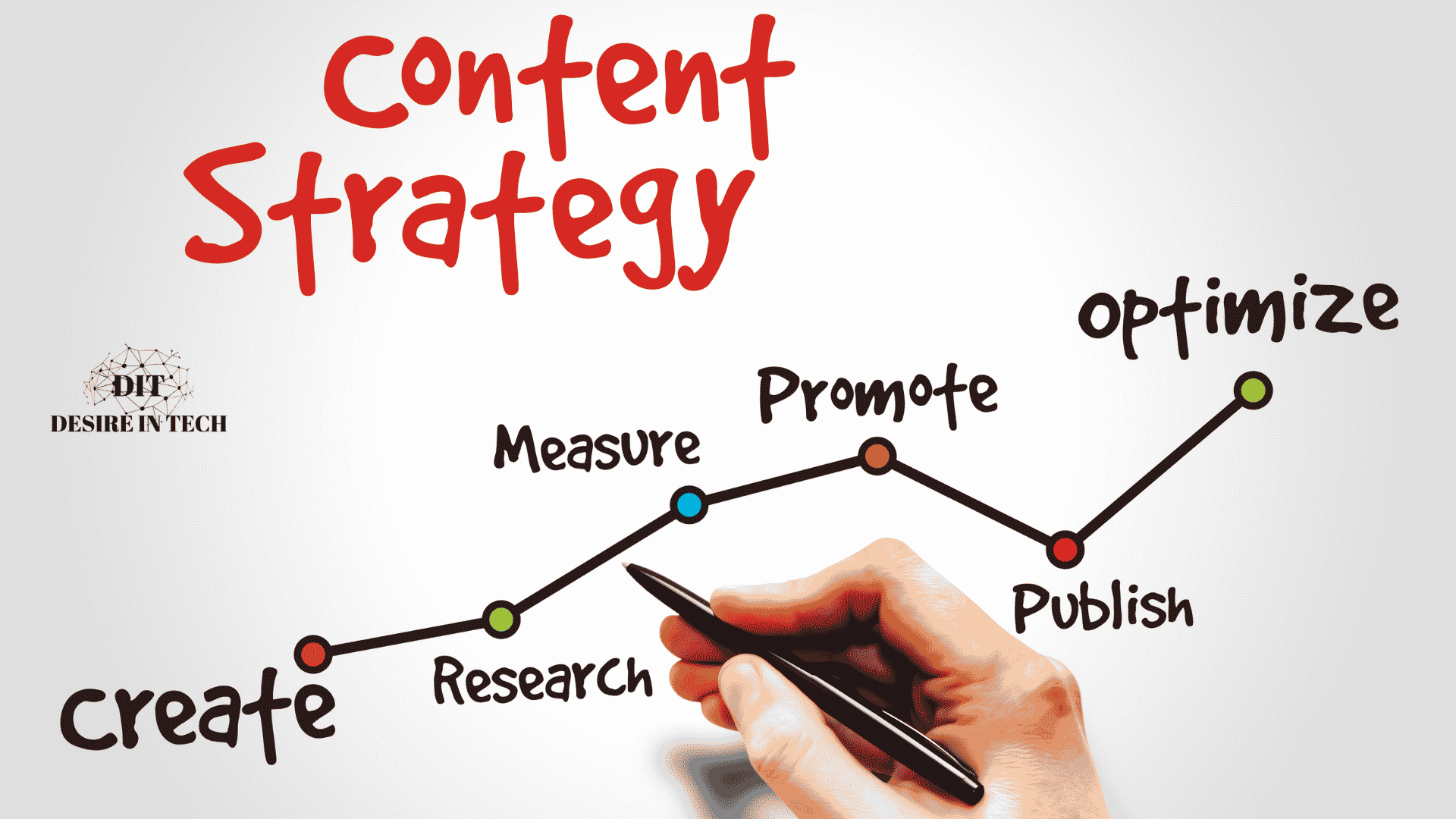
Measure and optimize relentlessly. Define clear success metrics before implementing any AI tool—response time reductions, cost savings, revenue increases, time saved, or customer satisfaction improvements. Track these metrics monthly and use the data to optimize your AI implementation. Most AI tools improve over time as they learn from more data, but this improvement isn't automatic. Review performance regularly, retrain AI models with new data, adjust parameters, and eliminate tools that aren't delivering value. The businesses that extract the most value from AI for small business applications are those that treat implementation as an ongoing optimization process rather than a one-time project.
Consider the AI implementation roadmap as a journey rather than a destination. Technology evolves rapidly, your business needs change, and new capabilities emerge constantly. The AI productivity tools you implement today should be evaluated against alternatives annually. Stay informed about new developments in AI business tools relevant to your industry, and be willing to switch providers when significantly better solutions emerge. The goal isn't to achieve perfect AI implementation but to continuously leverage improving technology to maintain competitive advantages and operational efficiency.